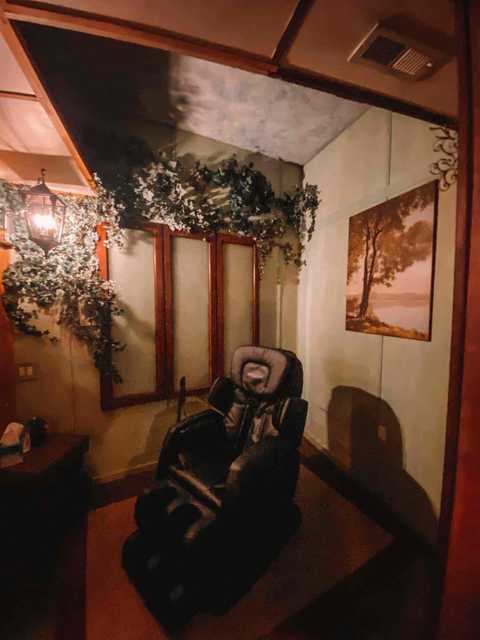
How chair therapy works
A massage chair session at Esspa focuses on the back, shoulders, and legs, turning short, repeat visits into a rhythm of maintenance rather than episodic treatment. Because the special gives ongoing access at a preferred rate, the practical mechanism is frequency: frequent, brief chair sessions help keep everyday tension from accumulating, which suits commuters and busy households.
Sessions are designed to fit into a weekly routine rather than require rare, lengthy appointments. In Brookline, near the West Liberty Avenue corridor and Port Authority stops, we provide booking options that match commuting patterns so clients can add chair visits before or after shifts, errands, or weekend activities without disrupting family schedules.
Fitting sessions into life
The ninety-day structure is built for repeat attendance: book regular slots near work or home so therapy becomes habitual. In Brookline near West Liberty Avenue and Port Authority stops, we offer early and late availability to accommodate T riders and bus commuters headed downtown, making it realistic to add short chair sessions before or after work or errands.
For families and shift workers, quick-service sessions make maintenance feasible without long waits. The trade-off is that chair therapy is designed for consistent, brief visits rather than long, single appointments — clients decide whether weekly short sessions better fit their schedule and budgets than occasional longer treatments.
What to expect over time
Because the program emphasizes ongoing access, results emerge as a pattern: tension is managed week-to-week rather than treated in isolated sessions. Clients will notice how session frequency shapes comfort levels, and they can adjust visits to fit seasonal demands — colder, wetter months in Pittsburgh often increase stiffness and may lead clients to schedule chair visits more regularly.
We encourage checking in with our front desk to align appointment cadence with work, family, or seasonal changes. Staff can suggest times that suit commuters using the T or local bus routes, and help you decide whether a weekly, biweekly, or custom cadence best maintains comfort without large time commitments.